
Portico Reunited
The Portico’s Global Threads
Working in partnership with The Portico Library throughout the first half of 2025, the Global Threads team have published a series of original research case studies tracing the transatlantic connections of the library’s foundation in 1802 and the activities of some of its key proprietors in the first two decades of its existence.
This ground-breaking work has traced the emergence of this exclusive members club how these deep transatlantic links converged around 1819’s Peterloo Massacre.
Researchers Jeevan Kaur Sanghera and Ella Sinclair have discovered never-before-seen connections between the institution and histories of enslavement, exploitation, and the resistance of enslaved people in the Caribbean, embedding the story of this nineteenth-century institution in contemporary discussions for reparative justice.
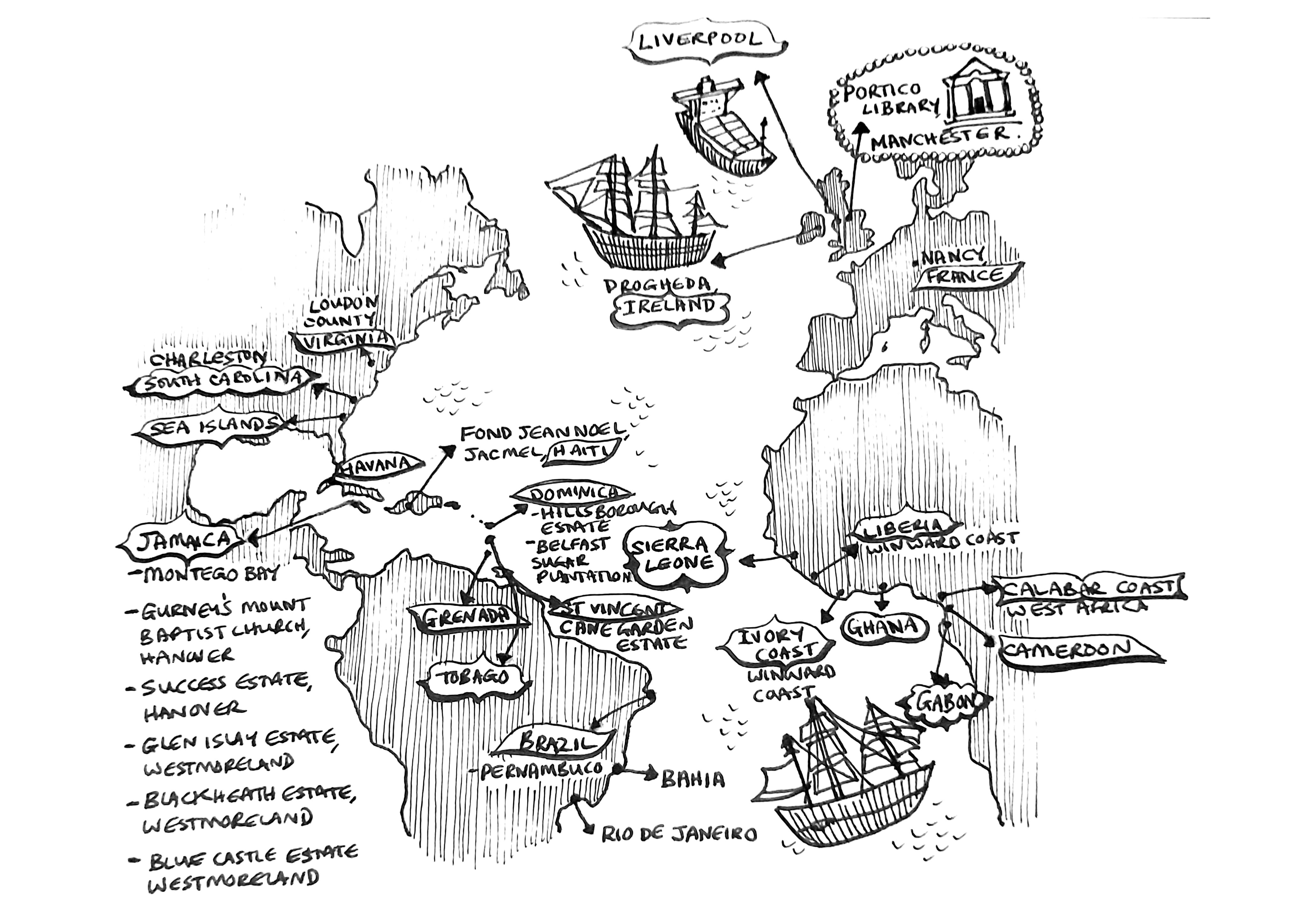
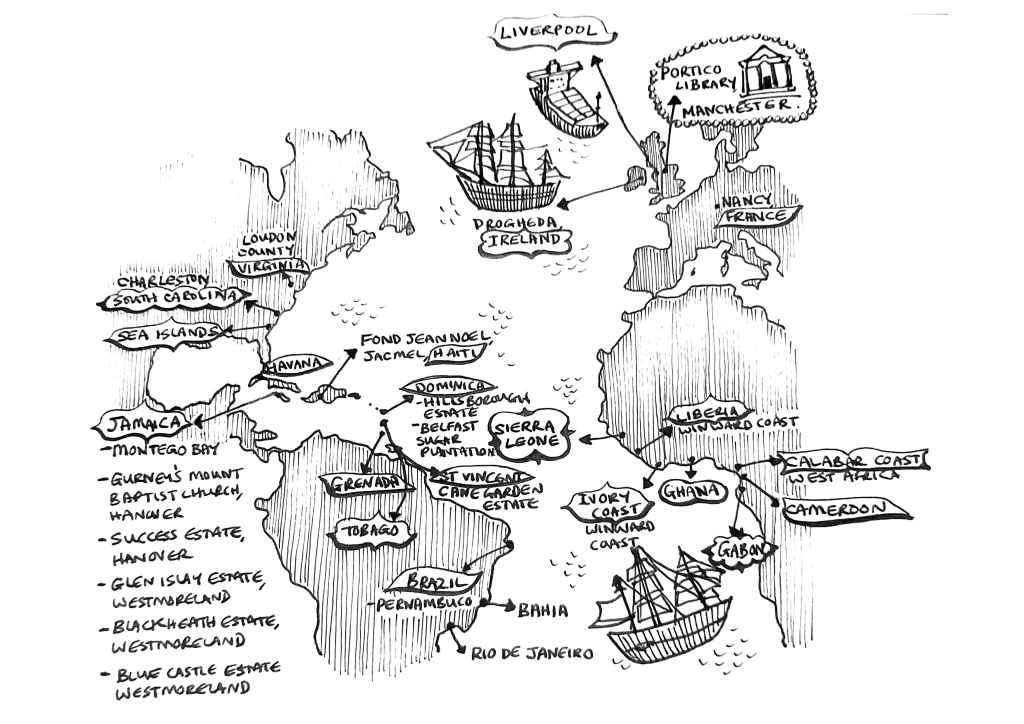
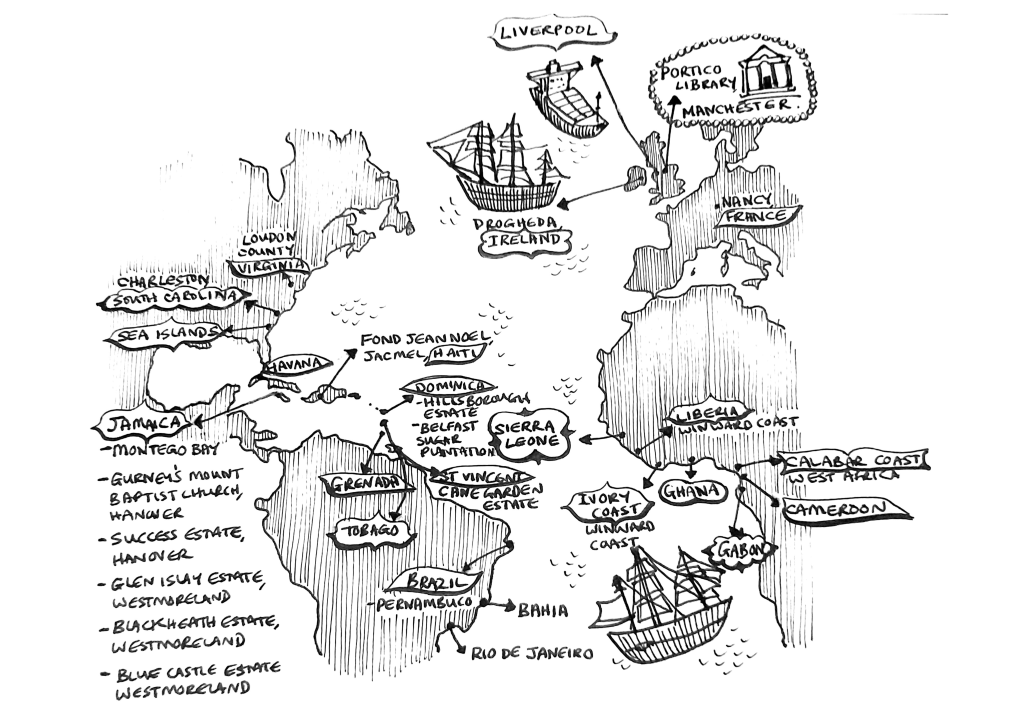
The research team have traced direct links between the Portico’s prominent members to slave trading voyages, transatlantic slavery, and colonial economies across the globe – from Haiti, to Jamaica, Grenada, St. Lucia, the United States, and beyond.
This is a transatlantic history of the Portico Library – and Manchester – stretching its limits beyond the boundaries of the city, connecting its history to the enslaved people and communities directly impacted by Britain’s transatlantic slave trade and colonial pursuits.
With the Portico Reunited project aim of “reading the past to build the future”, the library aims to put these new research findings and transatlantic connections at the service of visitors, community members, and artists for reflection, response, and discussion about how they can help shape the future direction and programming of the institution. Bringing these human experiences to the forefront the research provides crucial context for ongoing reparative justice agendas.
The researchers were commissioned as part of the Heritage Fund-supported Portico Reunited project working as part of the Global Threads team including the Portico’s Activity Planner Antonia Canal and Dr Matthew Stallard of UCL’s Centre for the Study of the Legacies of British Slavery, supported by wider team of Portico staff and volunteers.
We’d like to acknowledge the emotional labour that has gone into this research and these case studies are not easy to read. Please be aware of this and be mindful of holding the space for yourself and others when reading them. We have pulled together some supporting organisations and a grounding exercise that is available to download here.
New Global Threads
Across 9 original Global Threads and a project introduction, the team have reconstructed from contemporary sources a picture of the transatlantic world the Portico’s founders and funders inhabited and shaped and how the institution, is deeply connected to people, places, and movements for liberation and justice across both the Caribbean and on its very doorstep.
For the first time in 220 years, Ella Sinclair read the very same newspapers that the Portico’s proprietors did in their purpose-built, members-only newsroom re-discovering the daily diet of national and international news that fed their self-described “thirst for knowledge”. Alongside prices and business news from ports and markets across the globe, the newsroom gave daily updates during its first year on Parliamentary debates about the abolition of Britain’s slave trade, with over a quarter of the Portico’s Manchester proprietors signing a pro-slave trade petition in response.

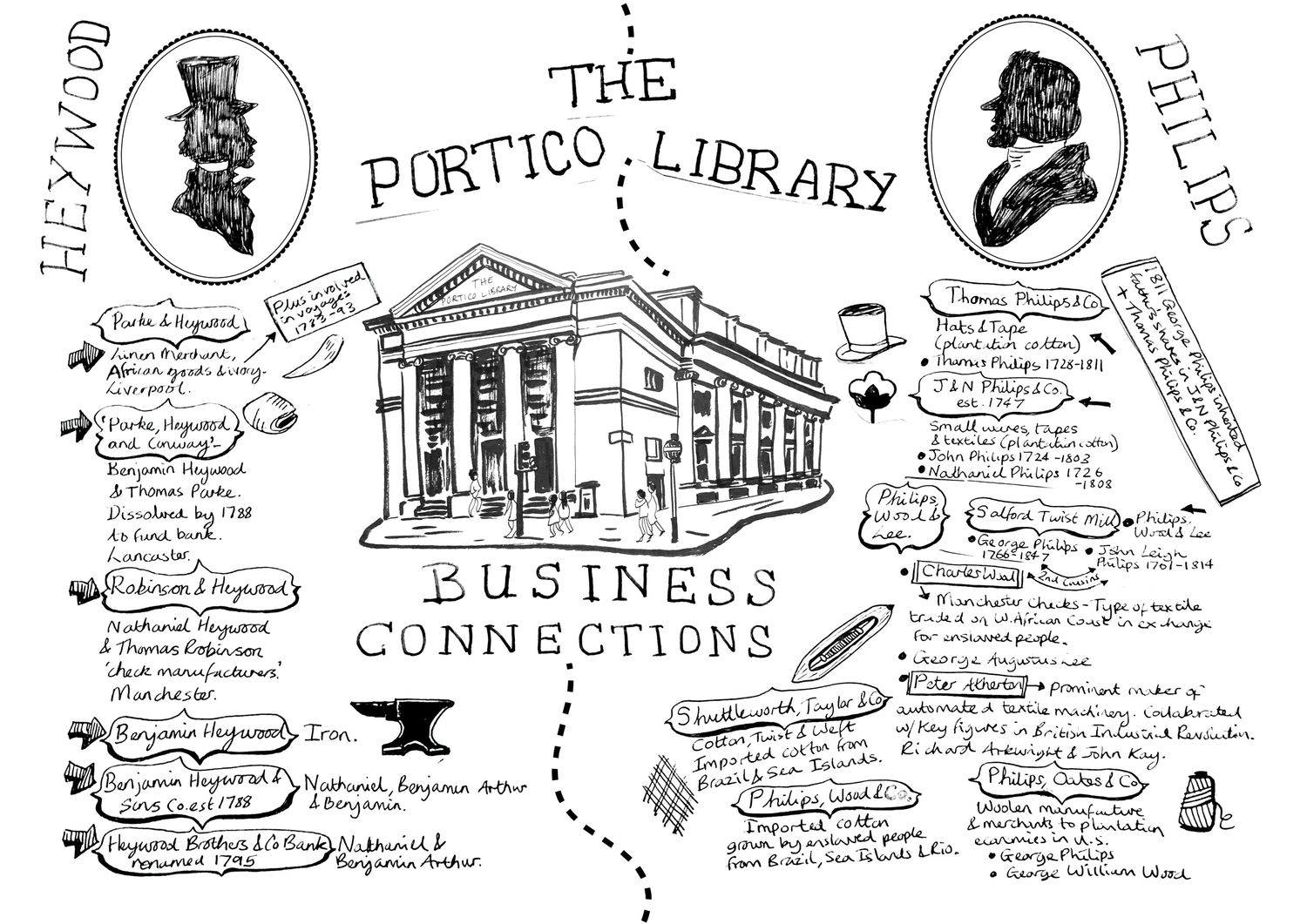
The majority of the Portico’s funders traced their wealth to systems of colonialism and enslavement, particularly through slave trading and cotton supplies, researchers also found that Manchester’s most important bankers, the Heywoods family, collected the subscriptions from members, underwrote the whole library’s finances as insurers, and owned the most shares of any investors. Slave trader Nathaniel Heywood literally laid the foundation stone and his uncle Benjamin Arthur Heywood, the largest shareholder, invested in 47 voyages.
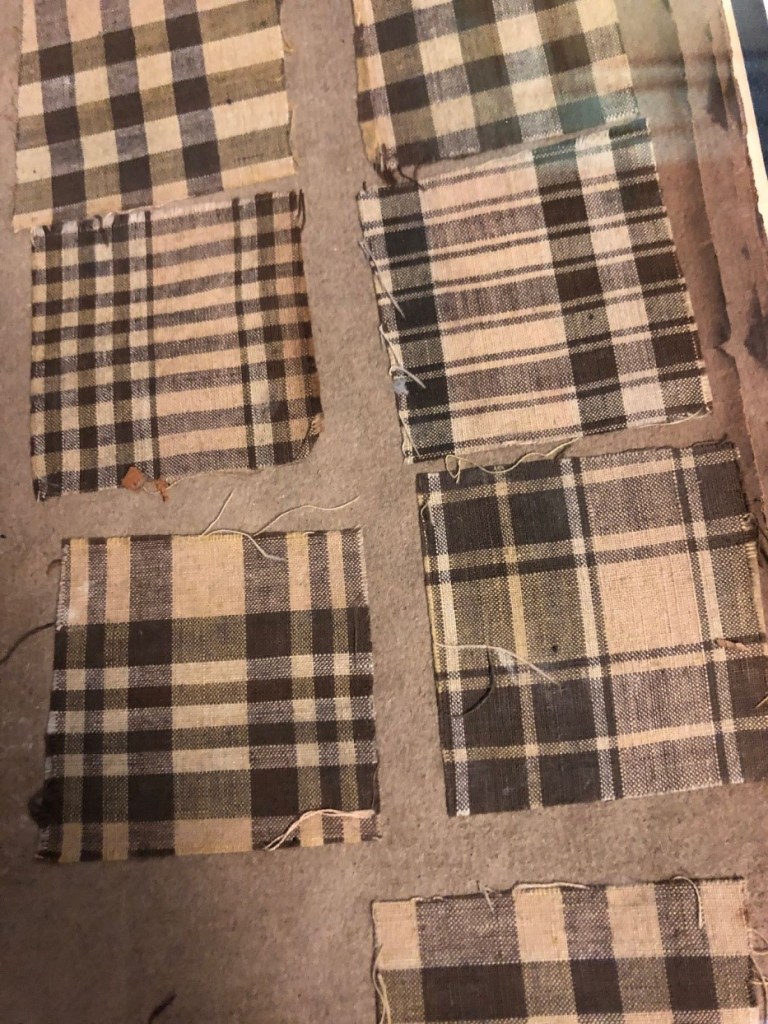
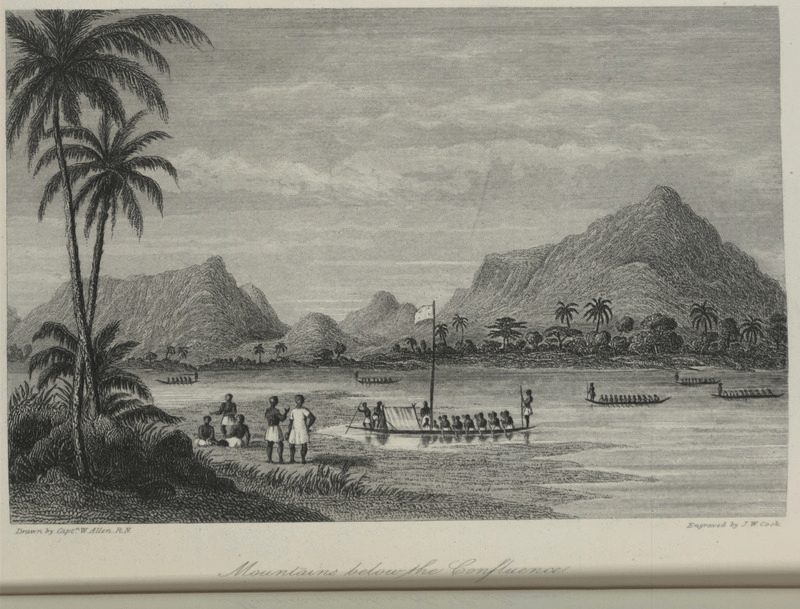
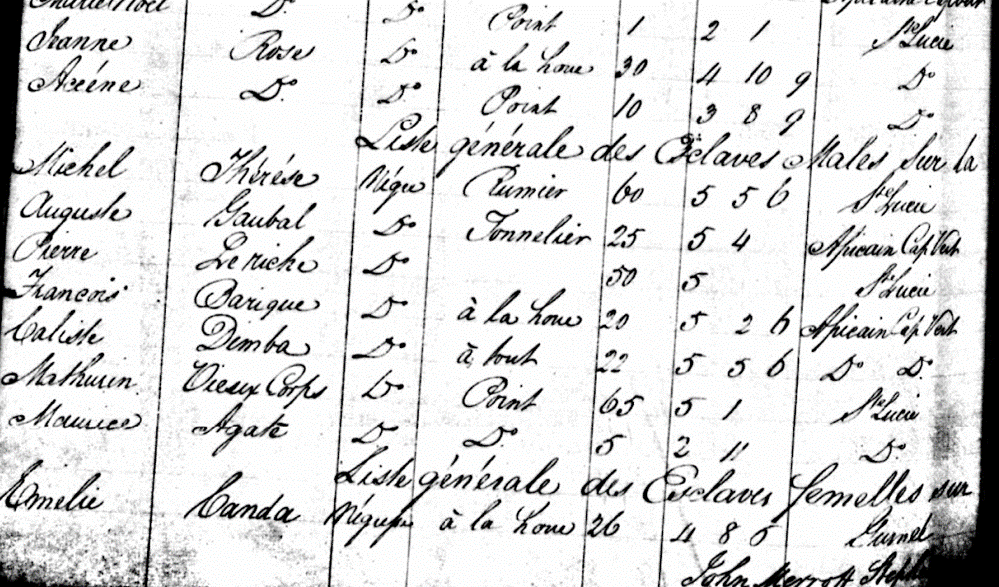
Using cutting-edge research methods, Jeevan Sanghera was able to trace one of the Heywood’s 133 slave trading voyages, supplied with Manchester textiles by another Portico founder, Samuel Mather, to Old Calabar (Nigeria) and the transportation of 251 enslaved people to the Caribbean island of Grenada. Remarkably, Sanghera traced a number of those trafficked people to the plantation communities they were finally transported to, which became key sites in the 1795 Fédon Rebellion against slavery and British rule.
In pursuit of a Heywood voyage
From Manchester to Liverpool, to Calabar, and a Grenadan Uprising
by Jeevan Kaur Sanghera
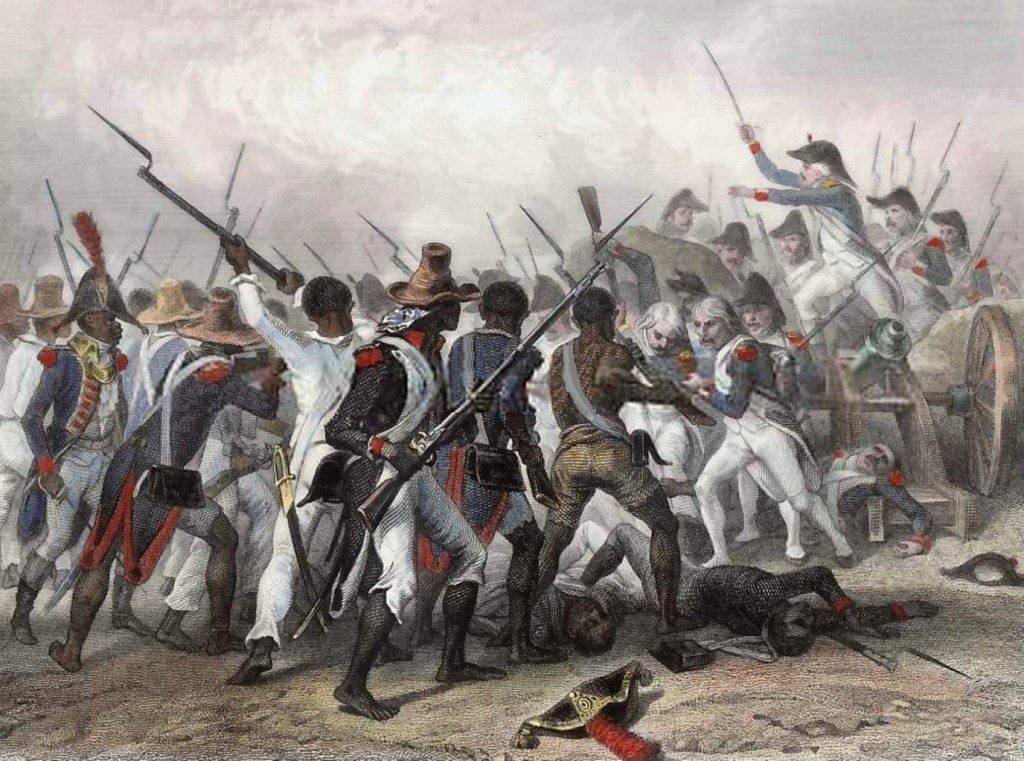
Ella Sinclair found deep personal connection to transatlantic events in the figure of French aristocrat and cotton mill-owner Paul Chappe. Records show the brutal branding of trafficked African labourers enslaved by Chappe’s father, who was killed during the Haitian Revolution against slavery. Paul Chappe later reinvested funds paid to him in compensation by the Haitian government into Lancashire industrial development.
Peterloo: a transatlantic moment
As the only building still standing from 1819 in the vicinity of Peter’s Fields, the role of many of the Portico’s prominent members in the Peterloo Massacre has been long recognised, but the team’s research has brought the causes of the protest and the response of the Manchester elite into its fuller transatlantic light.
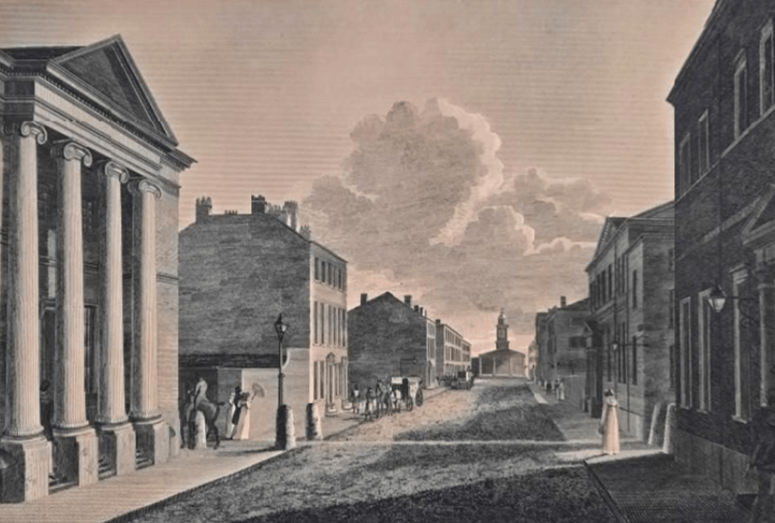
Leading the charge of the anti-democracy militia that killed 18 and injured hundreds, Portico board member Hugh Hornby Birley’s position as a leading cotton manufacturer, widely despised by workers, came thanks to business investment from his family’s enslavement of people held on the Rabot Estate in St Lucia and generational connections to slave trading and importation of slave-grown cotton.
Supplied by Portico founders the Heywood family, and carrying £305 of Manchester-made goods, the slave trading ship Dreadnought arrived in Montego Bay in November 1773 with 170 captive African men, women, and children, 4 of whom were purchased by enslaver James Scarlet and 20 by a John Wedderburn.
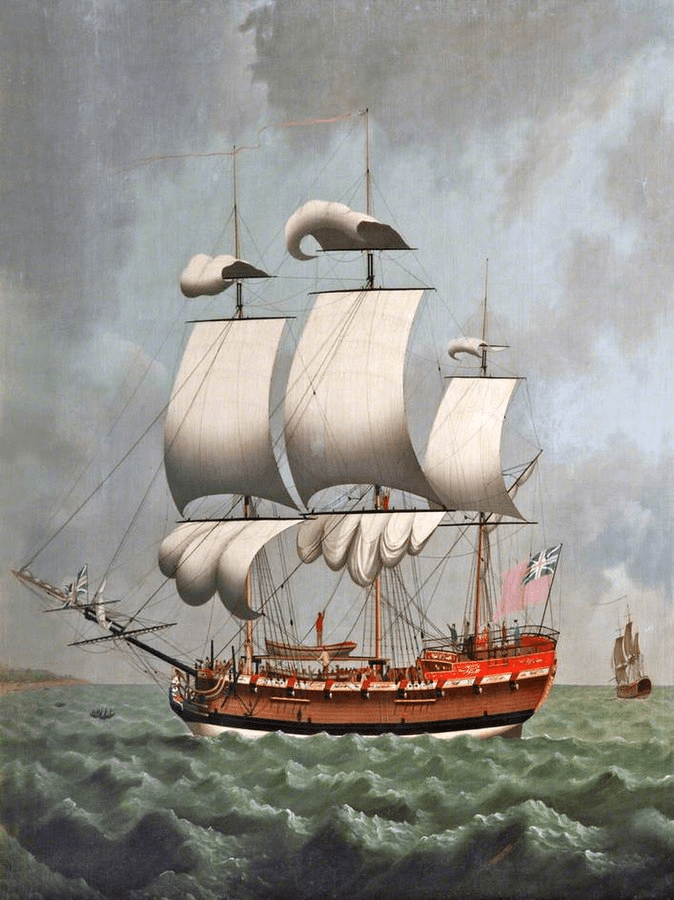
From Manchester, to Montego Bay, to Peterloo
Peterloo: a transatlantic moment – Part Two
by the Global Threads team
Scarlet’s plantations to which those people were transported included a sugar estate named Success in Hanover parish, Jamaica, which was later owned by Portico member Sir George Philips. Philips was part of the Liberal political reaction against the horrors of Peterloo as one of the founders of the Manchester Guardian newspaper.

John Wedderburn, meanwhile, was the uncle of Robert Wedderburn, the Jamaican-born son of an African mother, who became one of Britain’s leading anti-slavery and pro-democracy campaigners.
Robert Wedderburn, was imprisoned for his radical political views a before Peterloo, asked a London crowd a week before the massacre: “Has a slave an inherent right to slay his Master, who refuses him his liberty?”. In response to Peterloo, he encouraged his followers to arm themselves and declared that “the Revolution had already started in blood there and that it must now also end in blood here”.
The deep and detailed work of the Global Threads team to follow these links from Manchester to Africa and across the Caribbean not only allow us to understand the Portico’s power men in the transatlantic context they lived in and that placed them in positions of influence – it also allows us to look beyond Birley, Philips, and their elite circle to grasp a fuller reading of Peterloo.
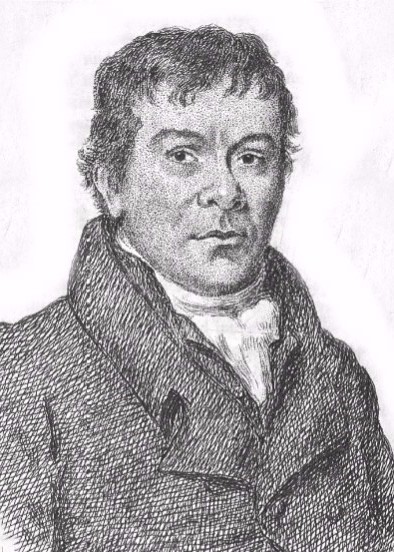
Robert Wedderburn, “a lover of liberty”
Peterloo: a transatlantic moment – Part Three
by the Global Threads team
It is the deep insight of Robert Wedderburn through his personal experience and position as a bridge between the pan-Caribbean traditions of resistance and uprising and his understanding of the common cause of democracy, working class rights, and racial justice that should inform the Portico’s response to the protests and challenges of today.
Reading the past to build the future
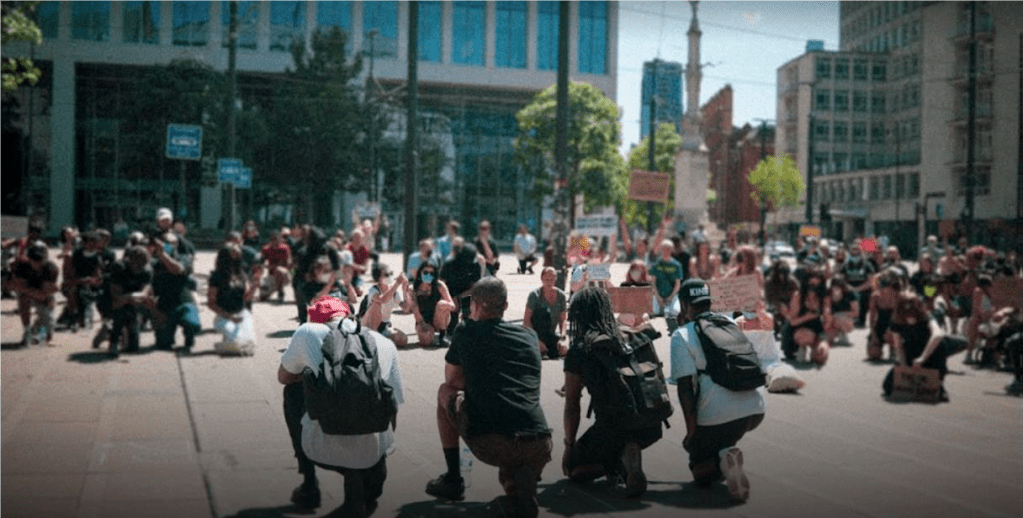
Some 200 years after Peterloo, on Thursday 31st May and Sunday 7th June 2020, thousands of protestors from a wide array of backgrounds gathered in the exact same space – St Peter’s Square – metres from the Portico Library, in demonstrations sparked by the murder by police of George Floyd in Minneapolis in the United States.
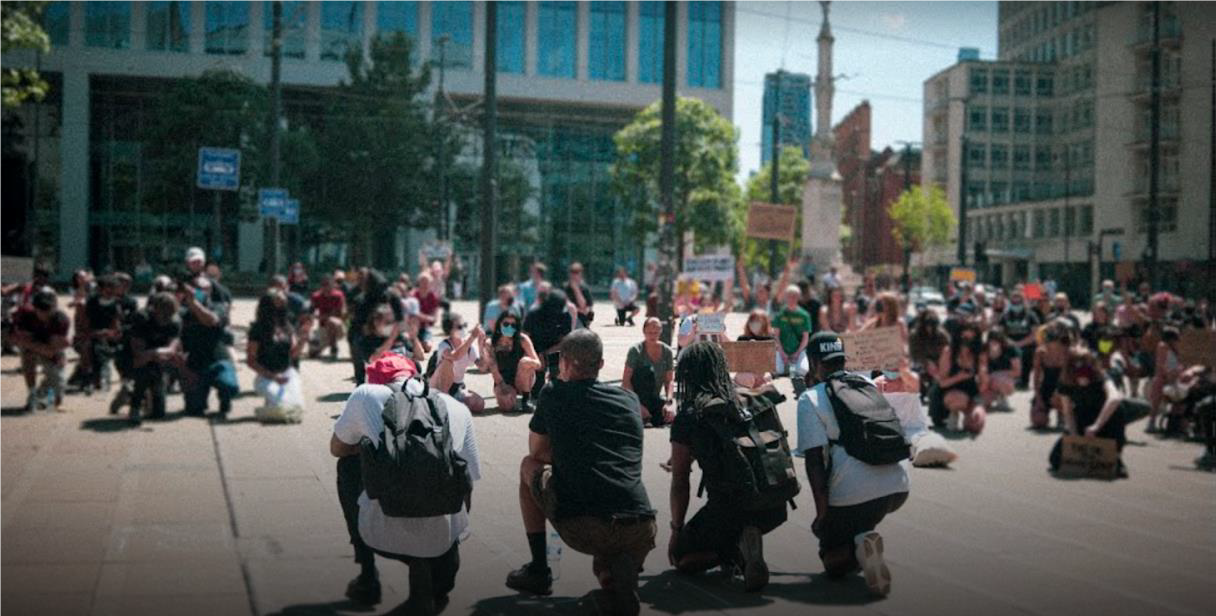
The Black Lives Matter protests of Summer 2020 sparked a renewed transatlantic wave of reactions from institutions seeking to come to terms with their histories and build futures that respond to those renewed calls for racial justice. This research project, as part of Portico Reunited’s focus on “reading the past to build the future”, is a direct response to those calls.
Beginning to recover the financial and commercial links between the Portico’s founders and funders and the transatlantic slavery economy is an essential part of building a fuller understanding of that past, but so also is focusing upon voices like Robert Wedderburn.
The international links of trade, commerce, and coercion were always there if we cared to look, as also were the ideas, actions, and words of Wedderburn. As the Portico builds its future in response to these findings it has the opportunity to build it around, and with, the many more voices of the past 200 or more years, and in the present day, that await highlighting, sharing, and response.
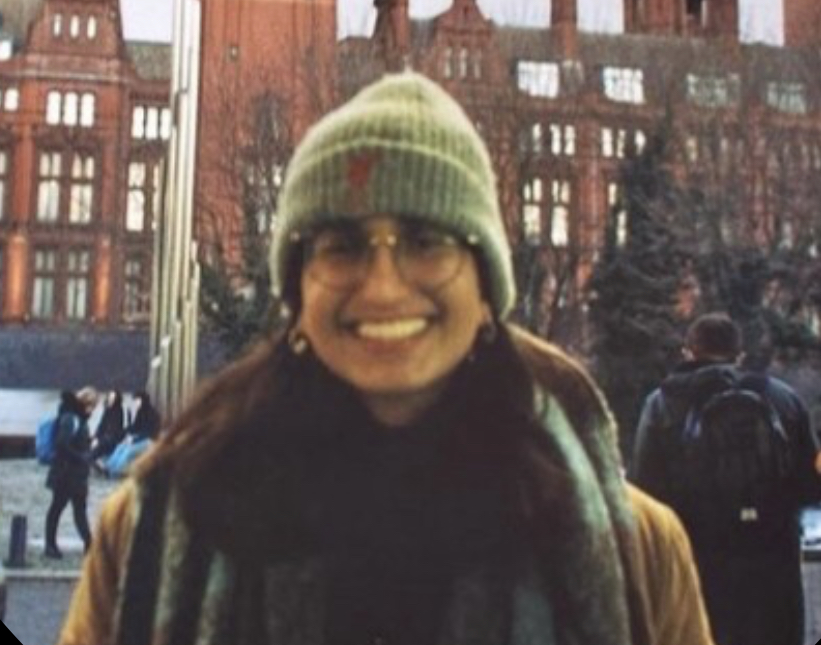
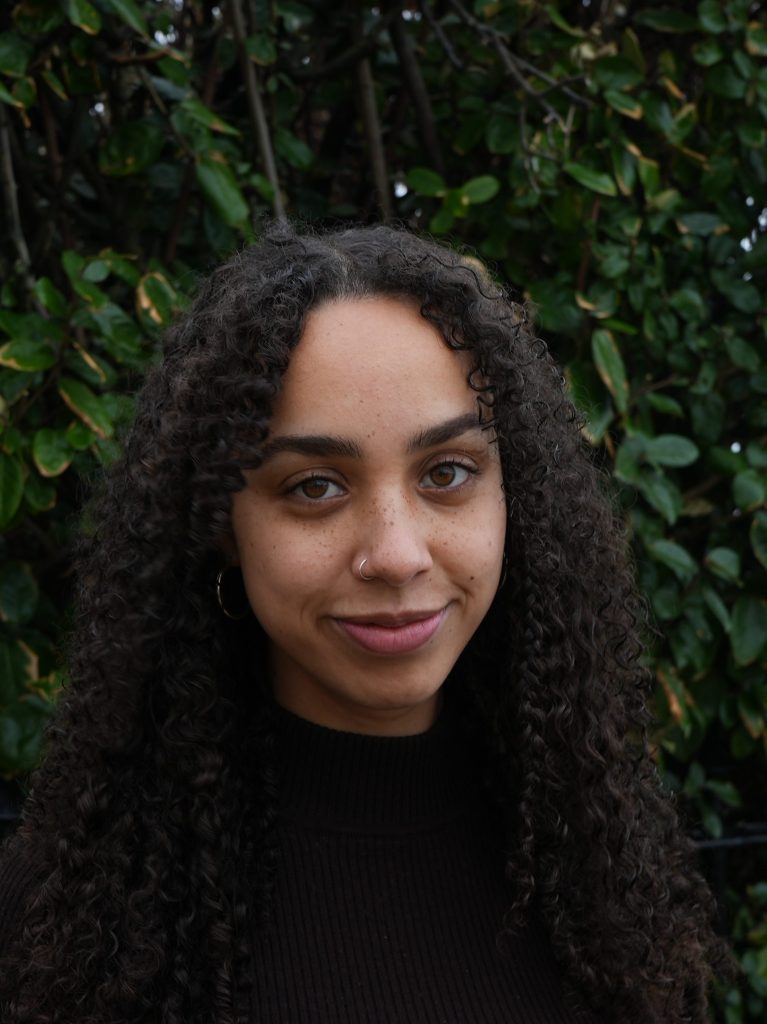
Research Team





This project has been supported by the UCL UK Office, supporting the development of collaborations and research impact across the UK.
 GLOBAL THREADS