

Holly Graham
The Warp/ The Weft/ The Wake
Manchester Art Gallery
14th March 2025 to 6th September 2026


Global Threads are proud to announce our second exhibition collaboration project, providing historical research to support artist Holly Graham’s UAL 20/20 residency, original artistic commission, and exhibition The Warp/ The Weft/ The Wake at Manchester Art Gallery.
You can find out more about the project and exhibition on the 20/20 programme website.

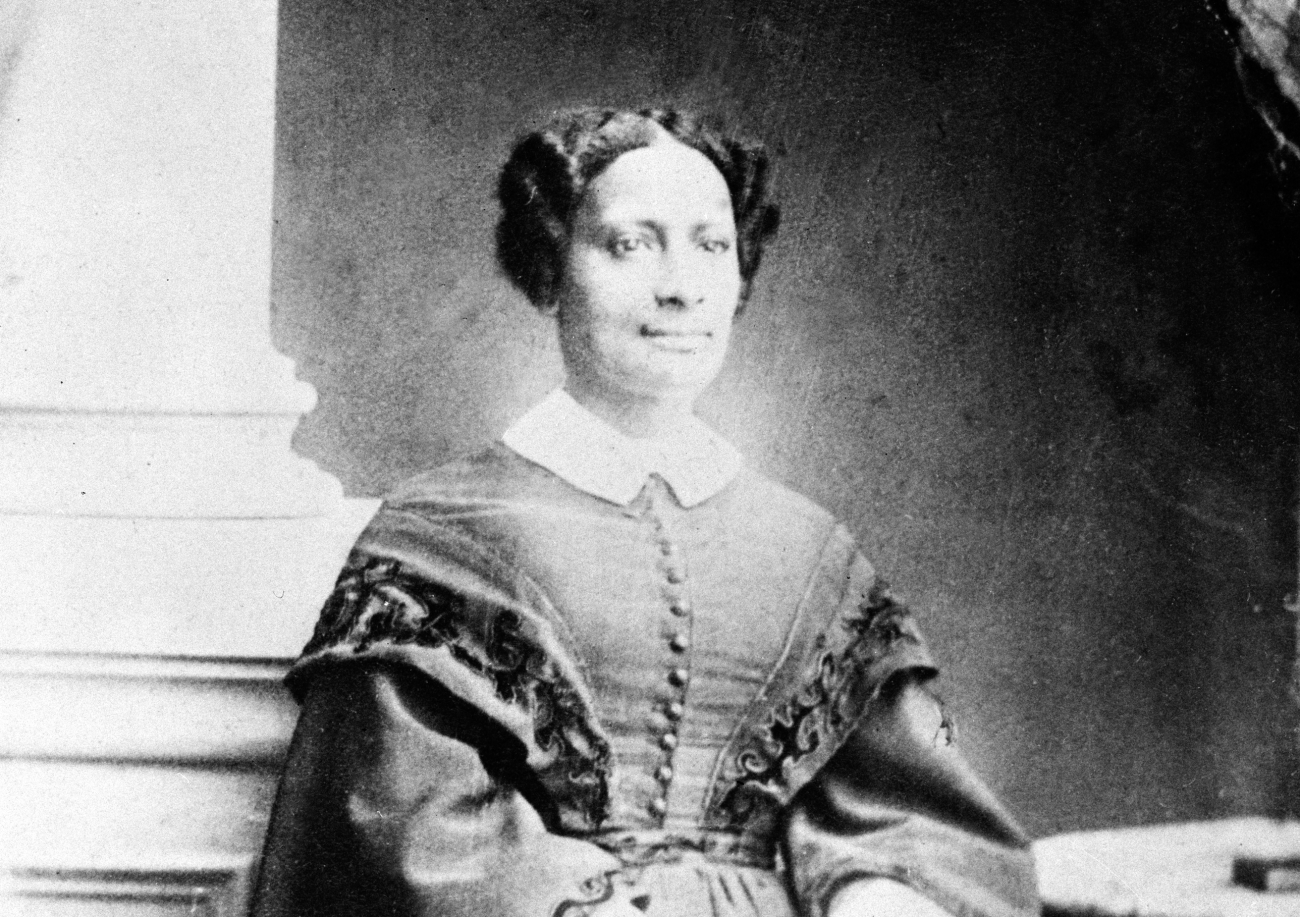
Working alongside her mother, costumier Jennifer Graham, Holly has created an 1850s-style cotton printed costume modelled on the silhouette of a dress worn by African American abolitionist Sarah Parker Remond.
The costume, made from cloth woven at Quarry Bank Mill, bears prints drawing designs from objects discovered in investigations into Manchester Art Gallery’s collections and institutional archives.
The Global Threads team have provided research capacity and expertise to provide context and source materials, drawing out stories and narratives of experience of enslavement connected to key donors and members of Manchester Art Gallery’s predecessor institutions the Royal Manchester Institution and the Manchester Athenaeum.
Their work has provided new avenues for re-inscribing the previously invisible names and lives of a small number of those people whose labour directly funded the wealth which funded the building of today’s gallery and the acquisition of its present day collections.
They have also provided the Manchester Art Gallery and Manchester more widely with a timely and challenging provocation through the uncovering of competing visions of the city’s rise to prominence and the founding myths of the institution.
New Global Threads
Three new original Global Threads case studies have been researched and written by our researchers as part of The Warp/ The Weft/ The Wake, bringing new evidence and connections related to the history of the Royal Manchester Institution and Manchester Athenaeum.

Serena demonstrates how Caribbean estate records allow us to piece together details of the lives and experiences of those enslaved and how their labour and skills generated profits which funded the lifestyles and position of prominent Mancunian industrialists and elite founders and funders of the city’s arts and cultural institutions.

Destinie’s work has shown how people whose forced labour directly created the wealth and profits which underpinned the foundation of these institutions built and preserved a unique cultural and community legacy both under slavery and through political and social activism in the post-emancipation and Jim Crow periods.
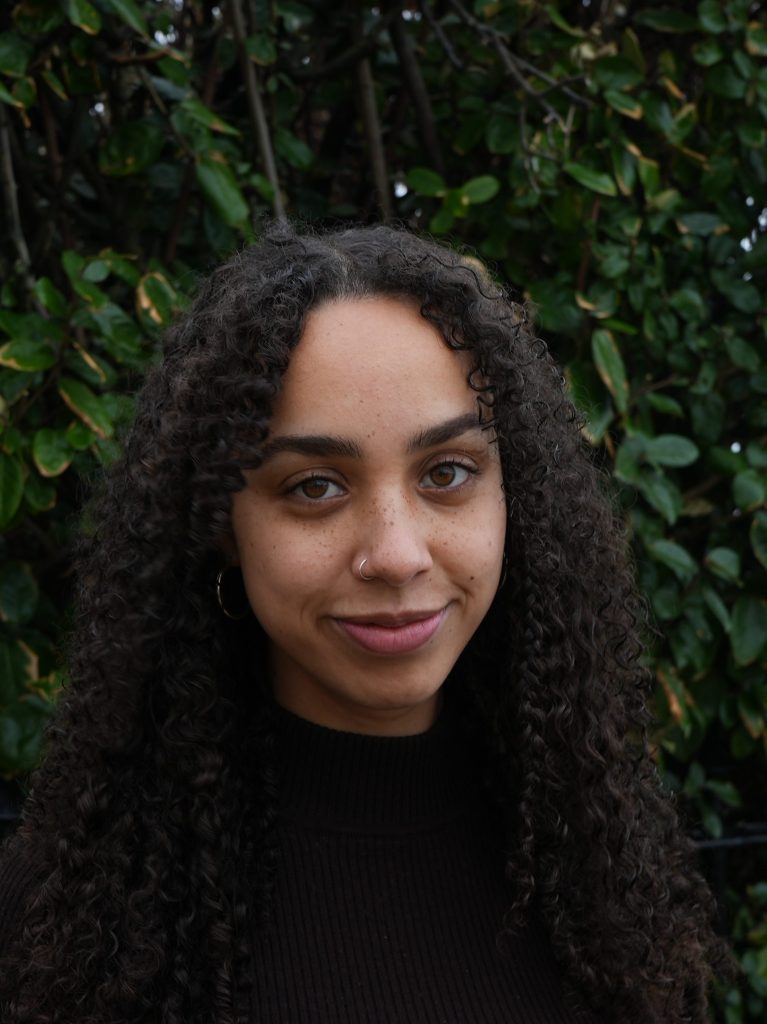
Ella has revealed an institution steeped in multiple aspects of the cotton economy through both the use of its space and the make-up and culture of its elite members and governors. Her discovery of a celebratory and triumphal speech by director Sir John Pender from the exact same stage where Remond had given her excoriating characterisation of the true basis of Manchester’s wealth and prestige just weeks before has proved essential in framing the two competing visions of the city’s rise which sit at the centre of Holly Graham’s exhibition and commission.
Together these new threads not only highlight the long history of contestation of the narratives at the heart of our civic discourse but show how they remain vital debates today about how our institutions, and Manchester more broadly, see themselves, whose labour built and continues to underpin the city’s fabric, who art and culture in the city is made by and for, and how we collectively come to terms with and repair these legacies.
Names that matter
Research into the foundation and funding of of Manchester Art Gallery from Holly Graham and the Global Threads team began with close attention to lists of donors and members of the exclusive elite institutions which were founded in industrial Manchester.
The histories of the Royal Manchester Institution and Manchester Athenaeum have been based around the prominent platforming and inscription of textile industrialists and cotton merchants and their roles in establishing the members-only clubs that cultivated a reputation for sophisticated art and cultural life that enhanced the prestige of the city’s elite.

Audio recordings available in the exhibition list and memorialise the names of the enslaved labourers of Hillsborough Estate, the post-emancipation residents of Edisto Island, and the workers and families of McConnel & Kennedy’s vast Ancoats mills complex.

Through these Global Threads interventions we have aimed to recover and make known these names equally essential to, but previously invisible in, this story.
A Manchester First

Our ideas of which items are important and what stories we are able to tell through them are constantly developing as new viewpoints and information are brought into conversation with collections.
Working in dialogue with the Global Threads team, Holly Graham’s project has identified in a previously un-accessioned collection at Manchester Art Gallery a very rare set of samples of Manchester checks, or “guinea cloth” – a type of textile made to supply slave trading voyages that was key to the growth of the Lancashire cotton industry.
The Warp/ The Weft/ The Wake exhibition includes what we think is a Manchester first in displaying examples of Lancashire-made “guinea cloth” to a public audience highlighting their crucial significance.
The pivotal importance of Manchester’s slave trading past was not widely recognised in previous decades, and remains poorly appreciated today, thus these samples were not noted or added to the institution’s catalogue to make them visible to scholars, artists, and the public until Holly’s intervention.

In his seminal 1944 study Capitalism and Slavery, Eric Williams outlined how it was a “tremendous dependence on the triangular trade that made Manchester”. Up to 1770, one-third of Lancashire’s exports were used in the slave trade to west Africa and half were sold to the plantation colonies in the Caribbean and North America.
In 1788 the privy council estimated that Manchester exported £200,000 worth of goods a year to west Africa, representing an investment of £300,000 and supporting 18,000 jobs for men, women and children across the wider region. Converted to today’s prices that is £26.9m of exports and £40.3m of investment a year.
Williams’s essential work of scholarship is available for visitors to consult in the gallery for the duration of the exhibition and we hope that this increased visibility and the presence of these rare and unique samples generates new reflections and new understandings of the essential and previously-overlooked importance of the slave trade and colonial markets and profits to the birth of the world’s first industrial city.
Research Team
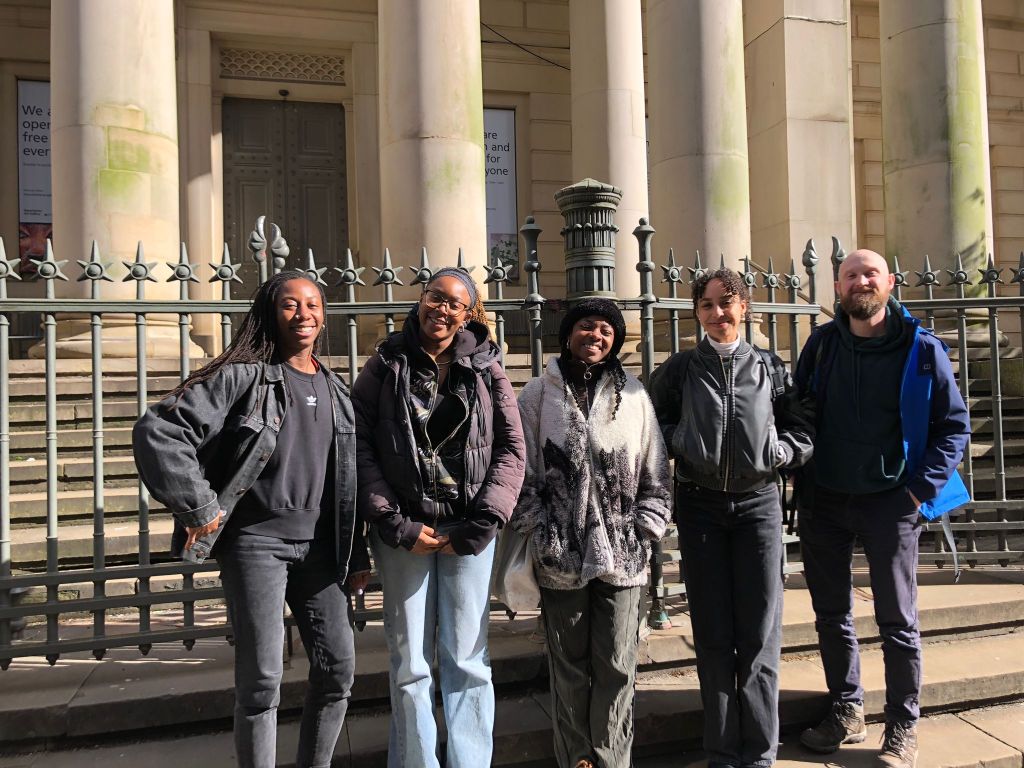






This project has been supported by the UCL UK Office, supporting the development of collaborations and research impact across the UK.
 GLOBAL THREADS
_-_Geographicus_-_EdistoRiver-uscs-1852.jpg#file)